

This Film Left Actor Alex Wolff with Trauma; Here’s Why That Matters
by Sage Nestler, MSW
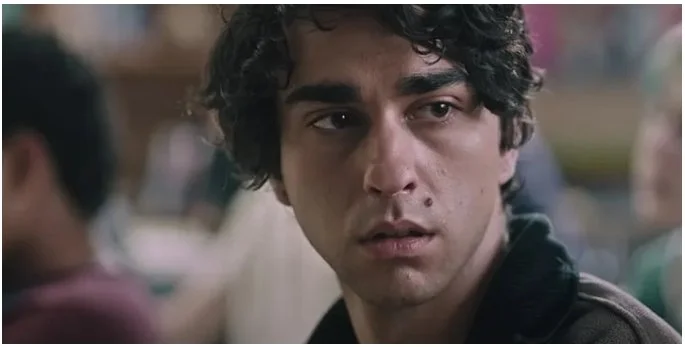
Alex Wolff in Hereditary
Alex Wolff is an actor who has appeared in a plethora of film projects. In his youth, Wolff stared in The Naked Brothers Band television series alongside his brother, Nat, from Nickelodeon. I enjoyed watching Wolff blossom from starting his career with Nickelodeon to appearing in multiple films, including the newest Jumanji franchise, as well as Old, and the hit creative horror film, Hereditary.
But Wolff has grabbed my attention for something other than his work as an actor.
He took the time to speak up about his mental health and psychological well-being, while addressing the unique position actors have when working on emotionally disturbing films.
In Hereditary, a horror film involving demonic possession and disturbing images, Wolff stars as a boy who accidentally kills his sister and becomes possessed by a demon that targets his family.
As a huge fan of horror, this movie was one film that has had the most impact on me. The details are unique and metaphorical, while the horror elements cement themselves in your mind. It is because of this that I wasn’t surprised when Wolff released a statement detailing how starring in this film left him with emotional and psychological problems, including symptoms of post-traumatic stress disorder (PTSD).
"I'll tell you, that movie did about as much damage to me as a movie can do," Wolff said. That damage included psychological effects, loss of sleep — basically, he suffered "all of it. It really affected me," Wolff added.
"It's very hard because as an actor, you really don't want to sound pretentious or like anything is too serious," Wolff said. "We have a cushy job in a lot of ways, but this, emotionally, was one of those tough ones. It was one of those ones that really did some gymnastics on my emotional well-being."
- Quote from The Looper
As someone with complex post-traumatic stress disorder (C-PTSD) I am always grateful to anyone in the spotlight for speaking out about their mental health struggles, trauma, or explicitly speaking on PTSD or C-PTSD. But with Wolff’s statement, I felt particularly connected to him.
He described how starring in Hereditary had an all-around detrimental impact on him, particularly with his sleep and psychological well-being. This was due to the severe emotional demands of the film. But rather than just describing how difficult the demands of filming were, Wolff touched on how actors are in a tough position when it comes to speaking out about their mental health if filming impacted their mental state. This is largely because they don’t want to appear ungrateful for the experience, and he recognizes that he is in a place of privilege.
PTSD is still misunderstood because a lot of people don’t understand the severity of it outside of military experiences. As someone who has C-PTSD, but does not have military experience, I find myself having to justify my trauma - or I am asked invasive questions by others so that they can determine the “severity” of my trauma. More often than not, my trauma is minimized in comparison to others’ experiences.
Wolff’s statement sheds light on this by admitting that actors often have “lofty” experiences when it comes to filming. This causes others not to recognize how emotionally and mentally difficult certain acting situations are. His explanation highlights how he has been judged by others, and those with PTSD and C-PTSD are often faced with stigma by those who find their illness “unjustified” based on the trauma they experience.
However, it is important to note that each person experiences situations differently. Just because something may not have traumatized one person, but it did traumatize another, does not invalidate that person’s experience.
The body and mind do not have distinguished reactions to varying situations. The body reacts the same when it is confronted with anything that is perceived as a threat.
While some individuals may have trauma that others find more “justifiable”, we need to remember that PTSD and C-PTSD are severe illnesses that deeply impact an individual’s life.
All trauma is justified. Trauma is not a competition, and comparison is unacceptable. We all experience things differently, and just because something might not be traumatic for one person, but is for another, doesn’t minimize their experience. Period.
Alex Wolff opened a door for actors who have struggled emotionally and psychologically to shed light on the intense requirements many actors face when filming. But he also opened a door for those with PTSD or C-PTSD - such as me - to empathize, connect, and speak on our experiences without shame. I am thankful to Wolff for his vulnerability and openness about his experience.
His voice gives me hope that mine will also be heard.
*Originally published on The Mighty on August 5, 2021 - Revised on December 19, 2025
