

The Mental Health Connection: How Anxiety, Loneliness, and Substance Use Increase HIV Risk
By Thresa Giles, CEO — Hope & Help of Central Florida
In many communities, anxiety, depression, and substance use rarely exist in a vacuum. Instead, they are exerting influence, steering people to make risk-heavy decisions about intimacy, sex, and safety.
Whether someone is living with persistent depression or a sense of disconnection from their community, they may turn to sex as a way to feel something other than sadness or loneliness. However, these often-spur-of-the-moment decisions can lead to eschewing protection, a lack of discussion with partners about status, or pre-planning for sex with tools like PrEP.
“PrEP is a preventative medication used before exposure to HIV to lessen the risk of acquiring the virus.”
When the immediate relief of intimacy is staring one in the face, that can feel far more urgent than protecting oneself. When substance use is added to this equation, it can create a perfect storm.
With the overlapping challenges of anxiety, loneliness, and substance use, HIV exposure is rarely just about a single sexual act in many high-risk communities. The broader mental and emotional landscape that people are attempting to navigate plays a significant role in rising HIV diagnosis rates.
Integrated mental health, substance use, and educational services in community-based settings are necessary to curb the spread of HIV among high-risk groups and reach those dealing with multiple mental and emotional challenges.
The shaping of sexual decisions
Mental health disorders do not just shape our moods; they can heavily influence behavior such as risk-taking, self-protection, or decision-making.
When someone is depressed, they may have an overwhelming feeling that nothing matters. This can lead to them not seeking out protective measures before sex or choosing risky sexual partners because they may see everything as pointless. Including protecting their health.
Loneliness and isolation can also lead to risky sexual decision-making and increase HIV risk. People who feel lonely may also feel vulnerable and seek out comfort or connection wherever they can find it, which may mean engaging in sexual behavior with high-risk partners or multiple partners. People experiencing loneliness may feel that alleviating the emotional pain of isolation, even temporarily, is worth the risk.
Anxiety can play a role in unsafe sexual behavior by making it difficult for people to communicate their needs, negotiate protection such as condoms, or choose to walk away from high-risk situations. When people have anxiety around rejection, stigma, or conflict, they are more likely to avoid communicating openly or making sound decisions that are in their best interest.
Substance use and higher HIV risk
Using substances can change the way people think, feel, or behave. When combined with mental health issues or feelings of loneliness, substance use can make people vulnerable to HIV through poor decision-making.
Alcohol and some drugs can enhance libido and lower inhibitions, making spontaneous sexual encounters with no protection more likely. People may even agree to acts they would have otherwise avoided when sober if they have had too much to drink or are under the influence.
Psychological distress and loneliness play a significant role in substance use. From seeking to dull the pain of disconnection to trying to feel nothing at all, many people self-medicate and self-soothe with substances. This increases the likelihood that they will engage in behavior that will put them at a higher risk for HIV.
Intravenous drug users carry an even higher risk of HIV infection. The act of sharing needles has led to these specific drug users still carrying a higher number of new diagnoses in the United States.
The need for integrated mental health, substance abuse, and sexual health care
Because mental health, emotional well-being, substance abuse, and sexual health are inextricably linked, this makes a case for an increased need for integrated healthcare that addresses these overlapping points.
Integrated community healthcare can both help prevent new HIV infections and improve the quality of life for high-risk community members. By treating the underlying influences of risky sexual behavior that can lead to HIV, integrated community health partners can make HIV prevention more sustainable and probable.
Additionally, community health organizations can make natural healthcare touchpoints, such as testing sites or family planning clinics and places where they can screen for mental health concerns, substance use, or social stressors that can cause loneliness and isolation.
By combining education, mental health care resources, free testing, and access to protection - such as condoms or PrEP - community health partners can address the multifaceted reasons for increased HIV risk among those with mental health, substance use, or loneliness issues.
Bringing all of these related threads together helps us see that HIV prevention can be about emotional and mental health just as much as it is about biology or behavior.
When people are nudged toward riskier decisions due to a mental health disorder, substance use, or feelings of loneliness, their chances of HIV exposure increase.
By involving community health partners, widening education, and providing affirming spaces for vulnerable people, we can build a holistic approach to HIV prevention that considers all angles.
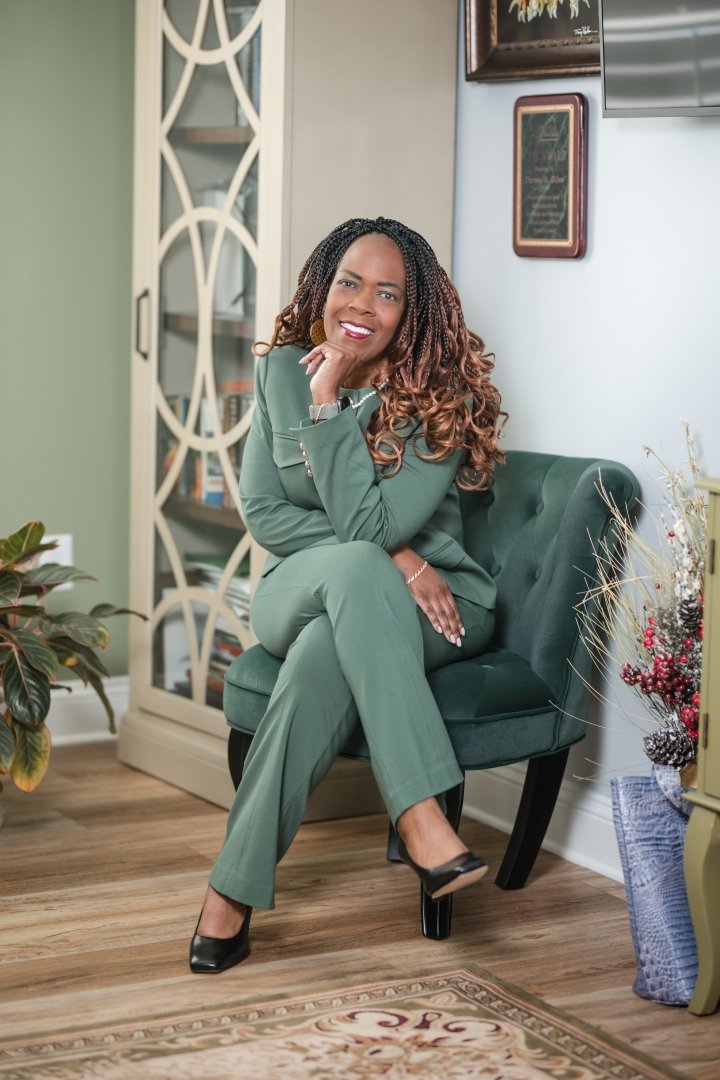
Thresa Giles
Chief Executive Officer of Hope & Help, Central Florida’s leading nonprofit dedicated to ending the HIV/AIDS epidemic. With over 30 years of experience across the for-profit and nonprofit sectors, Thresa brings extensive leadership expertise in finance, operations, compliance, and organizational development. Before joining Hope & Help, Thresa served as Chief Financial Officer of Stand for Children, Inc., a national nonprofit advancing education and social equity. Her career has spanned key functional areas, including procurement, regulatory compliance, grant administration, and asset management. Thresa’s leadership is driven by a vision to strengthen community partnerships and expand access to care through strategic growth, innovation, and team development. Her work has earned her accolades such as the Jacksonville Women of Influence Award, the Ultimate CFO Award, and the State of Delaware Outstanding Leader Award.
Reviewed and approved by Sage Nestler, MSW
