

Imagining “Side Quests” to Tackle Your To-Do List: An Interview with Nick Dunkenstein
by Sage Nestler, MSW
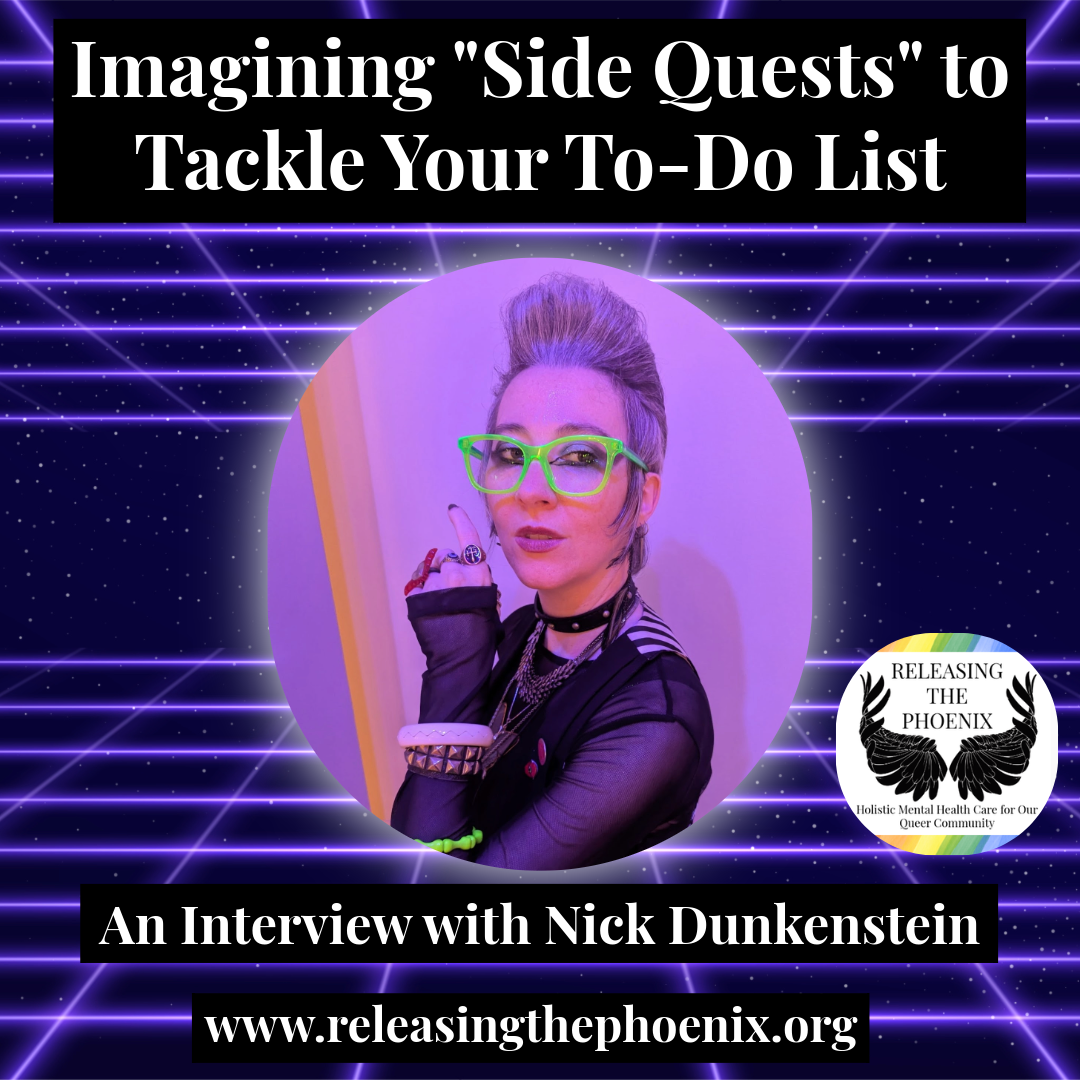
Learn More About Nick Dunkenstein: Nick Dunkenstein | Facebook | Linktree
Can you tell me a bit about yourself?
I’m an artist cursed to currently live in Florida. I illustrate comics and create assemblage pieces from bones and found objects.
I’m also a poet and have worked haunted houses.
I’ve been a part of some interesting things, and as life has gone on it turned into a constant go-go-go, every single day, and it doesn’t seem to want to let up.
I work - and have worked - several jobs. Most of them require me to interact with people, which means I am expected to be social and pleasant.
With a barrage of unpleasant things going on in the world, getting things done, even the basic things, feels like a struggle.
A lot of times I neglect myself, and over-step my own boundaries. This has me in rough sorts after a while. As an artist/creator, I know that this is not great if I want to keep being the creative that I am.
I played a lot of video games as a kid, as well as read comic books and watched movies/shows I found to be fun. So, of course, I fantasize about life being a bit more magical than it is – maybe a lot more magical.
During times of stress, I try to fall back into that world to help me get through draining or exhausting activities.
You've mentioned that when you have things that you need to get done, or a “to-do” list, you pretend that tasks are "side quests."
Can you explain this to our readers more (especially those who may not play video games/tabletop games)?
With more adventurous video games, you have to build your character up and it’s the side quests that do it. They aren't usually fun missions. They can be mindless and unexciting, but they're the things that help you progress on in the game.
Changing my mentality to imagine things I have to do as side quests helps me feel that these tasks are building me up - my character up - and like I am playing a character in a video game.
Washing is a side quest, going to the store is a side quest, sometimes even feeding myself is a side quest.
Eventually these small activities will help me become a little stronger for those bigger missions, which could be things such as getting to work on time, or even getting a full night’s rest.
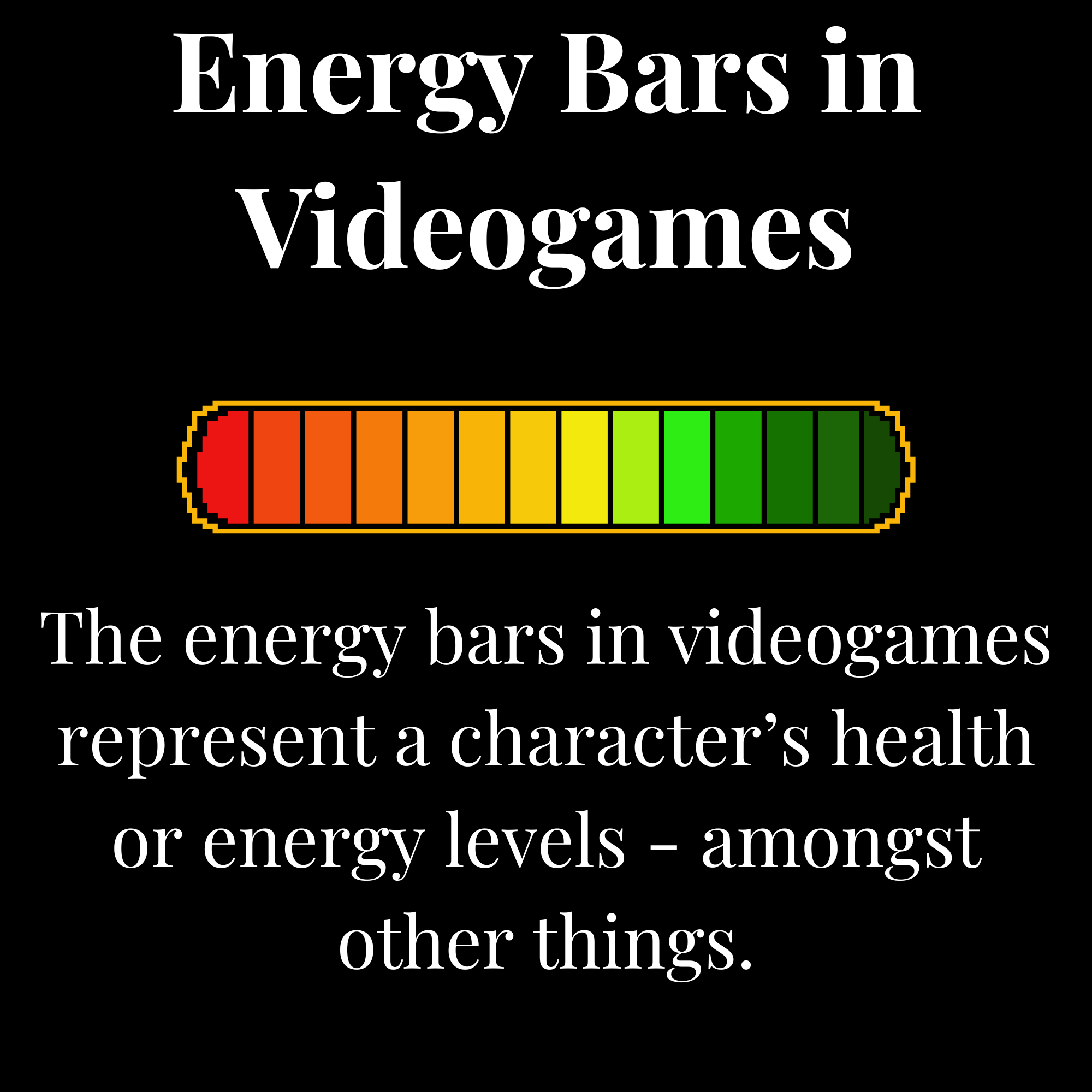
“Remembering that completing even the smallest quest adds to your energy bar, and helps your current self, can mold your future self.”
How does seeing tasks to do as "side quests" help you to get things done over a "to-do" list?
“To-do” lists almost feel demanding, and a negative is a great way to make people not want to do things.
Just because we’re adults doesn’t mean we have to kill the magic of youth. People say being an adult isn't supposed to be fun but then contradict that with things like, “you’re only as young as you feel” or “never lose your child-like wonder.”
We don’t have to keep the narrative that we have to be unfun as we get older. That’s how we lose the ability to enjoy things. It’s a window into letting the misery of the world around us seep in.
Meanwhile with “To-do” tasks and lists, we forget that these are activities we need to do to help ourselves - and the people around us.
Using “side-quests” is a way to change that mindset. These are things to help us, to help our community, to better things for YOU.
We feel the positive and feel the adventure. The reward is completion, and that alone can be humbling when we end the day.
Plus, it’s a lot more fun to tell people you’re on a side quest, rather than an errand. We must not forget how to play.
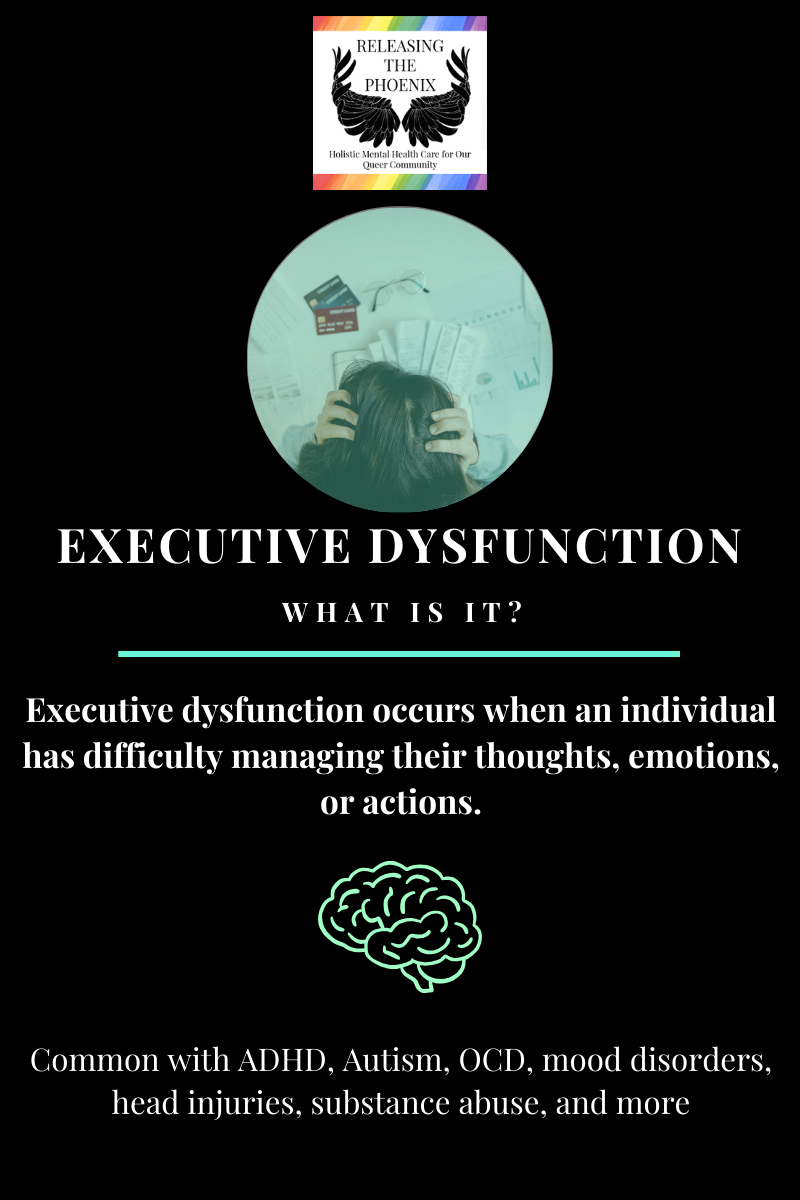
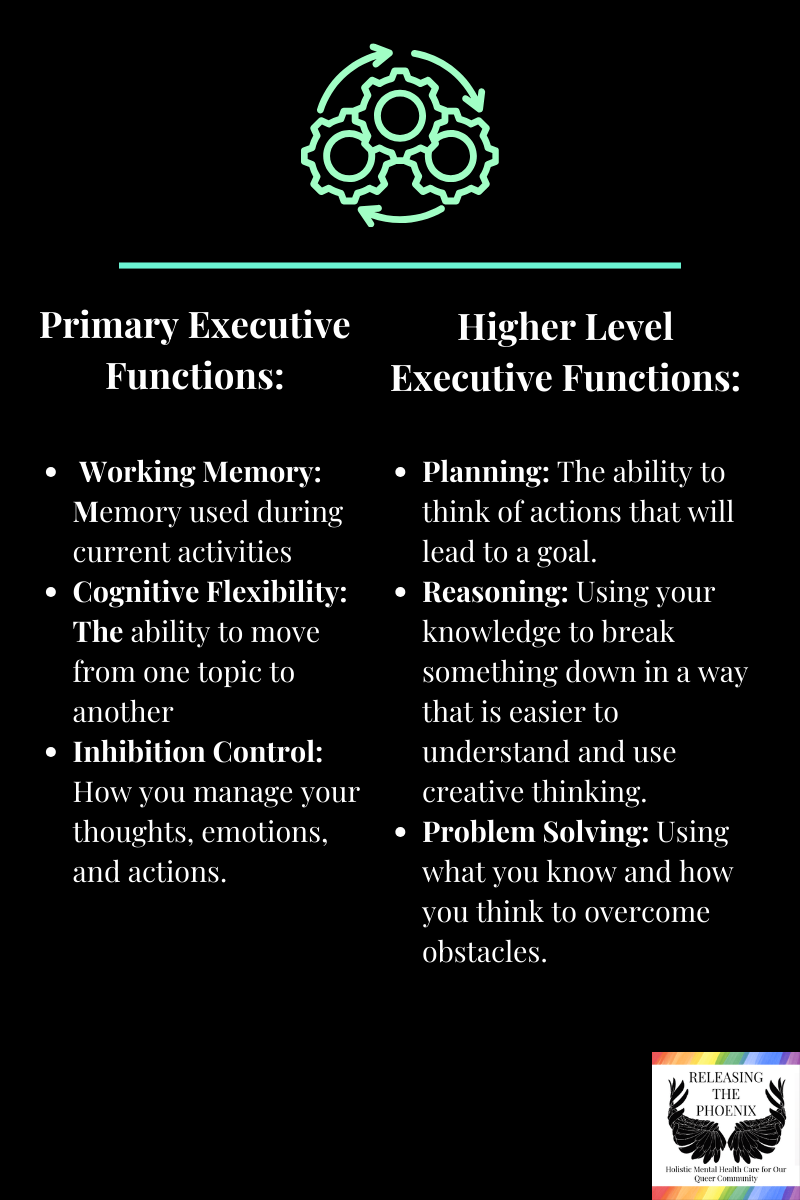
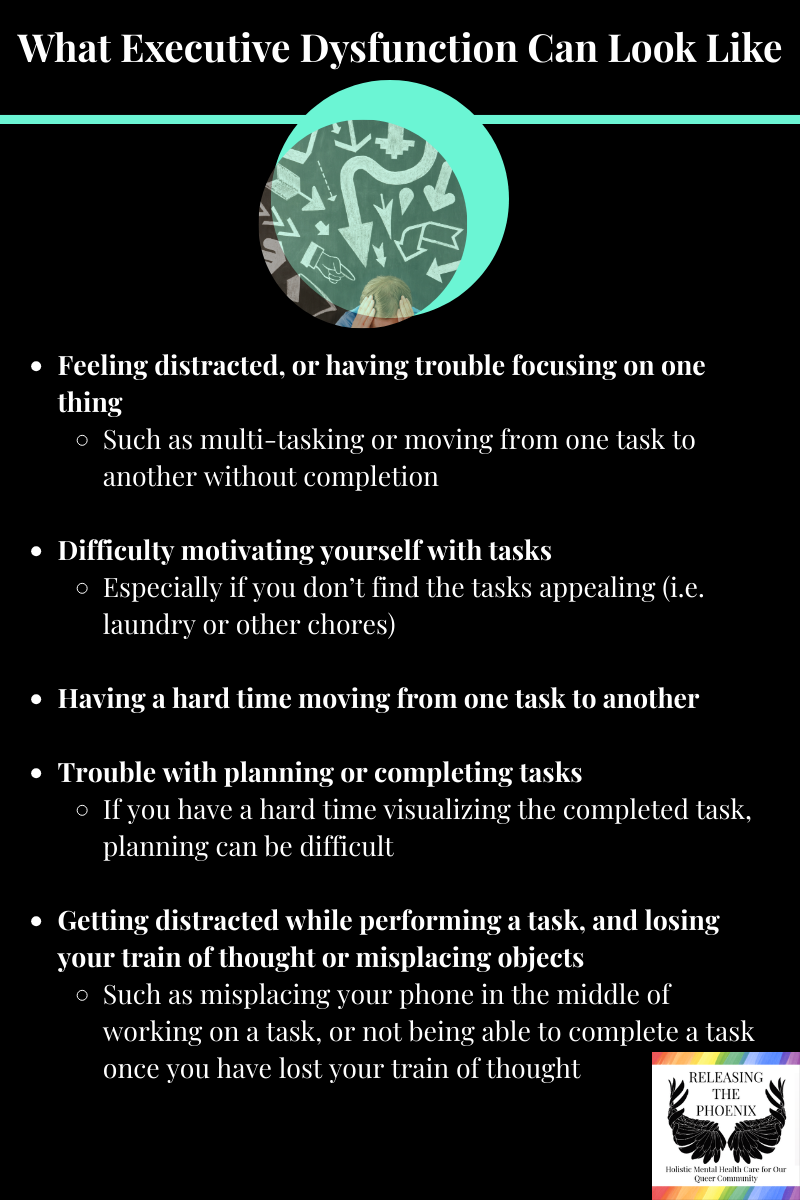
The “side quest” technique can also be helpful for those who experience executive dysfunction. Learn more about executive dysfunction by clicking on the slides below.
Does this process help ease your anxiety?
When it comes to anxiety, being overloaded is taxing and can make my anxiety worse. For example, waking up in the morning with this dread filling me - after a terrible night's sleep - makes the day an utter slog.
Simply calling the activities I have to do a “side quest,” or giving them a name with a quest, can help a lot.
Putting some enthusiasm into your vocal cords or the way that you walk as you claim these activities can be micro movements that may aid your anxiety, even for just that moment.
For those really tight crunching days, this way of thinking helps my anxiety a lot!
What would you say to someone who is struggling with daily responsibilities, tasks, or executive dysfunction?
I know things are hard right now, it sucks to have to do all these things, and it can be dangerous to go alone.
So, take this – there is a tomorrow, and the quests you complete today will make for a better tomorrow.
There will be people you meet along your journey, and each one will push you closer to that better tomorrow, including all of the versions of yourself.
What you do now will impact you a thousand times more than what you don’t.
Young venture seeker do not lose hope. Wear your best armor and go forth.
Connect with Nick Dunkenstein
Link Hub: Nick Dunkenstein | Facebook | Linktree
Nick’s Books: Amazon.com: Nick Dunkenstein: books, biography, latest update
Webtoon: The Pandemic Diaries | WEBTOON
Disclaimer: The information provided in this interview is for educational purposes only. It is not meant to be taken as clinical advice, treatment, or diagnosis.
